Mass-consumption AI and its application in commercial, surveillance, and military operations are on the rise. Can morality and conscientious education guide overly analytical science to serve humanity? Click to read more…


Mass-consumption AI and its application in commercial, surveillance, and military operations are on the rise. Can morality and conscientious education guide overly analytical science to serve humanity? Click to read more…

This article investigates the philosophical agency potential in Bengali music, framing social constraint via Bourdieu’s Habitus and Symbolic Power. Using a hermeneutic approach, the study compares Tagore’s “Ekla Chalo Re” with Sarkar’s “E gán thámibe ná”. Results show Tagore emphasizes individual courage, while Sarkar’s music infuses a collective mandate, linking action to Neo-Humanism and PROUT. Click to read more…

Without the deliberate cultivation of love as method – in law, economics, technology and security, not just in families and faiths – we are unlikely to become a species that deserves to survive. This is not a call for everyone to be nicer. It’s a structural question: what happens when we treat love as an underlying constraint rather than a decorative sentiment? Click to read more…

This essay engages with the debate over the hard problem of consciousness formulated by David Chalmers: why does sentience arise in matter? It interrogates Western physicalism via idealist arguments to challenge the philosophical incoherence of strict empiricism. After examining Chalmers’s analyses of the dominant scientific and philosophical arguments, the essay proposes that Prabhāt Ranjan Sarkar’s modern Tantric idealism develops an ontological response that incorporates physicalist emergentism without succumbing to metaphysical incoherence. Click to read more…
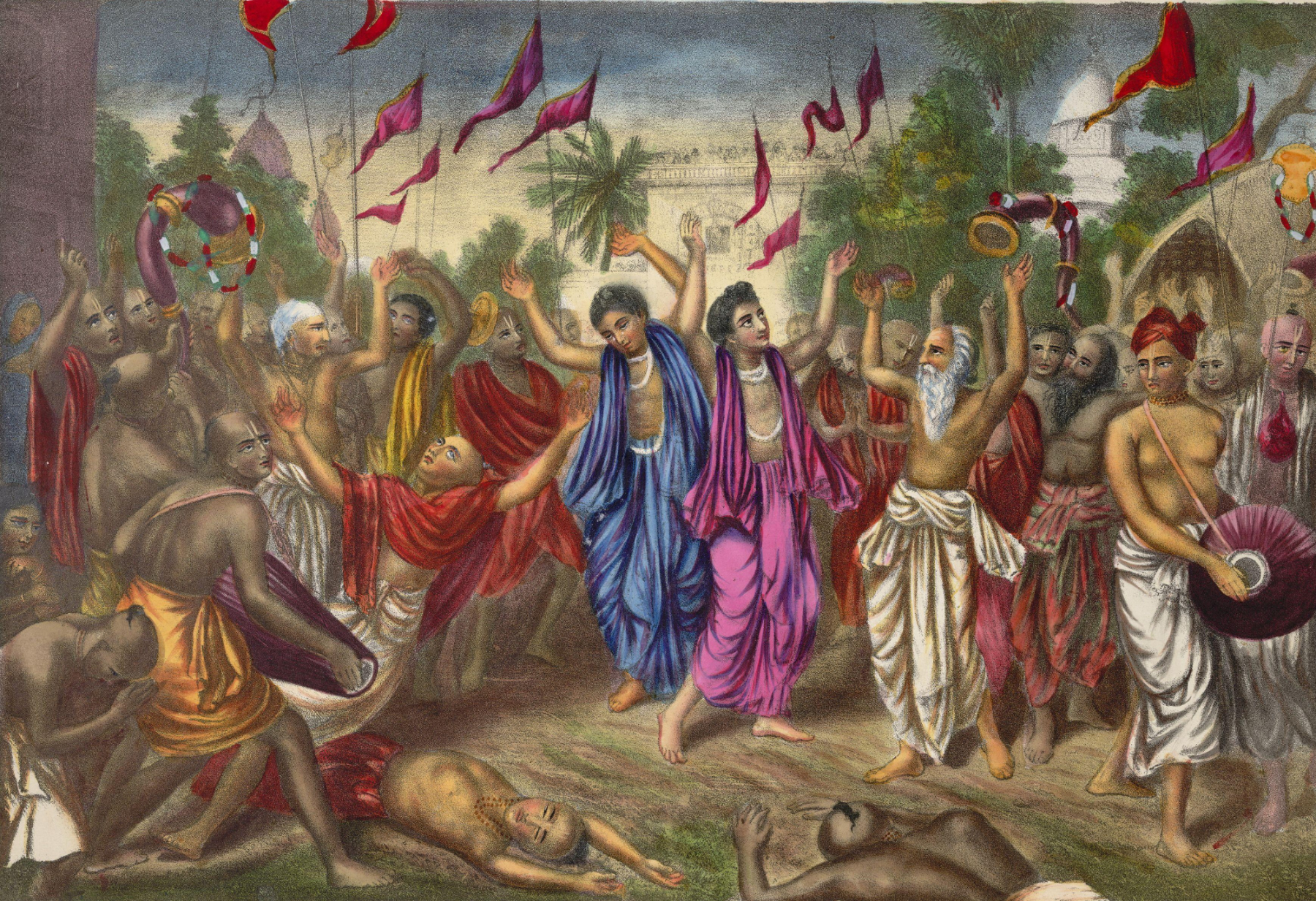
Physical clash leads to psychic progress. But is absolute psychic progress possible through physical clash alone? No. Apart from physical clash, psychic clash and the attraction of the Great are necessary. All entities must advance along the path of progress. This evolution will expand the psychic arena and, ultimately, lead to liberation. Click to read more…

With spiritual progress the mind grows in magnitude, the mind increases its periphery, until it finally merges in the Supreme Entity. During the course of this progress a spiritual aspirant will develop many faculties or attributes, but one must always be vigilant that these faculties do not divert one from the chosen path, from the cherished goal. Click to read more…

A serious student of Tantra must have knowledge of the origin of the Sanskrit alphabet, and of the basic principles of Sanskrit grammar. The entire Tantra literature has two meanings: the exoteric and the esoteric. The former gives us the meaning as designated by words, and the other their inner meaning embedded in the sense as implied by the author. Click to read more…

Iain McGilchrist unites, in himself, the scientist and the philosopher, joining those who aspire to combine subjective psychology and objective science across the divide between scientists and philosophers today. Shrii Prabhat Ranjan Sarkar has taken a similar path, synthesising a subjective approach with an objective adjustment in science, spirituality, and social philosophy. Click to read more…
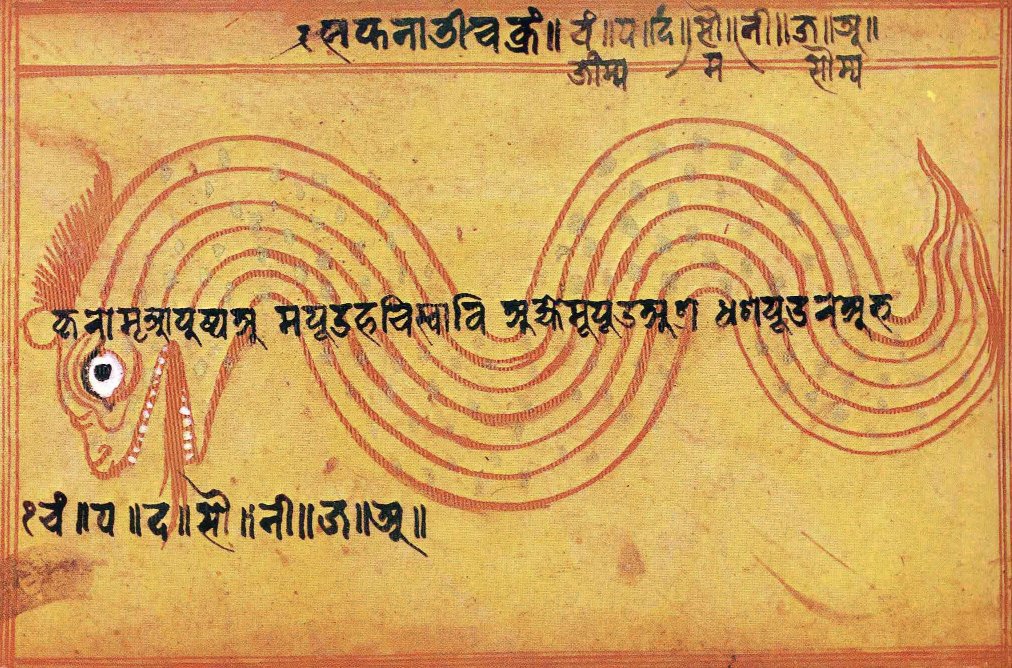
Tantra has received increasing interest among scholars and the public in recent years. However, its historical origins and practices remain poorly understood. Often misinterpreted or misrepresented, traditional Tantra is frequently obscured by popular myths. In the Indian imagination, Tantra is generally considered a dark art of magic, while in the West it is popularized as an expression of sacred sex. However, these simplifications and misconceptions are beginning to change. Click to read more…